
Introduction
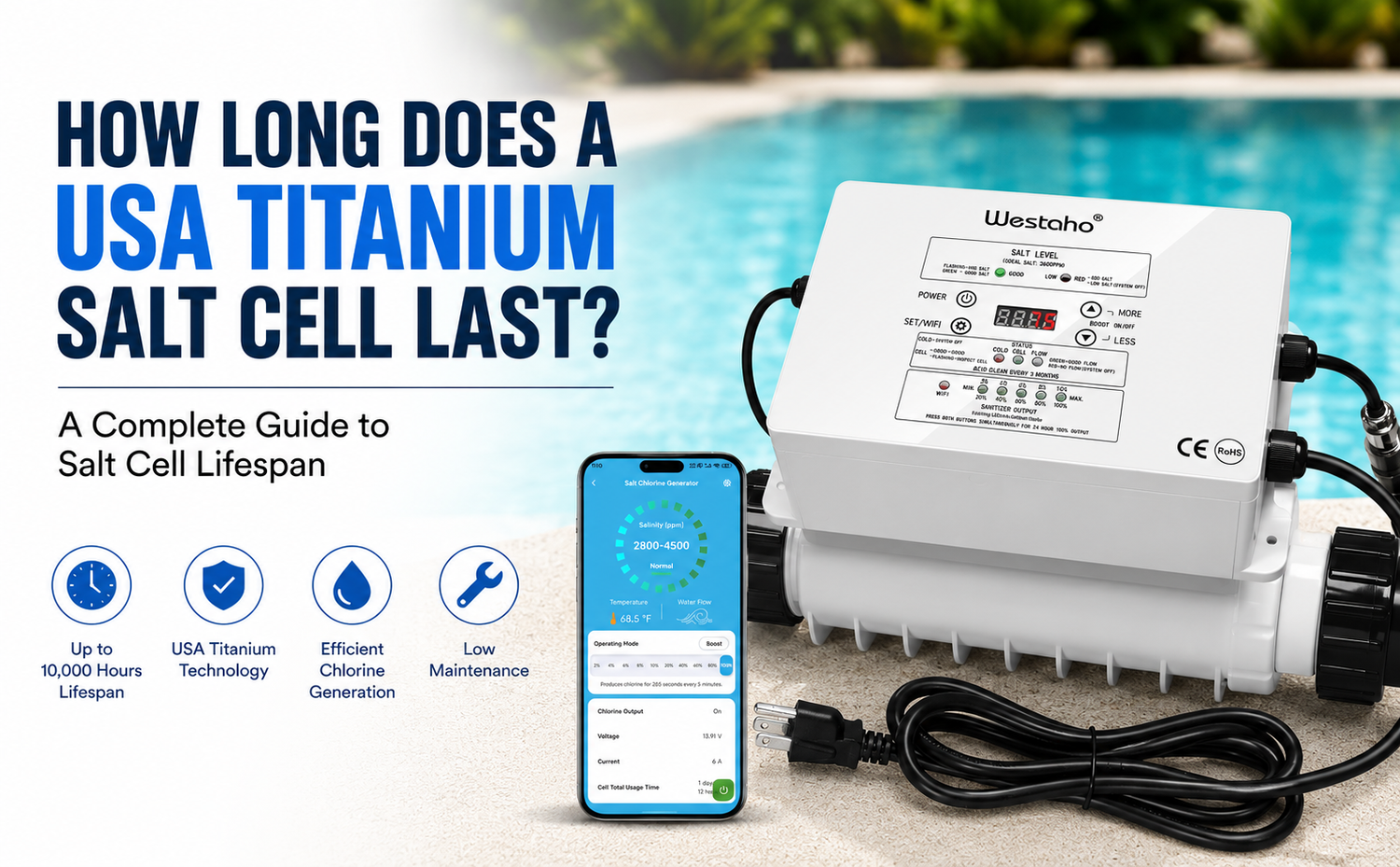
For many pool owners, investing in a salt chlorine generator is about more than convenience—it's about reducing maintenance while keeping pool water consistently clean and healthy. At the heart of every saltwater chlorination system is the salt cell, the component responsible for generating chlorine through electrolysis.
One of the most common questions pool owners ask before purchasing a salt chlorinator is:
"How long does a salt cell last?"
The answer depends on several factors, including cell quality, water chemistry, maintenance habits, and operating conditions. While some standard salt cells may only last a few years, premium USA titanium salt cells are designed to provide significantly longer service life and more reliable chlorine production.
In this guide, we'll explain how salt cells work, what affects their lifespan, and how you can maximize the life of your salt chlorine generator.
What Is a Salt Cell and How Does It Work?
What Is a Salt Cell?
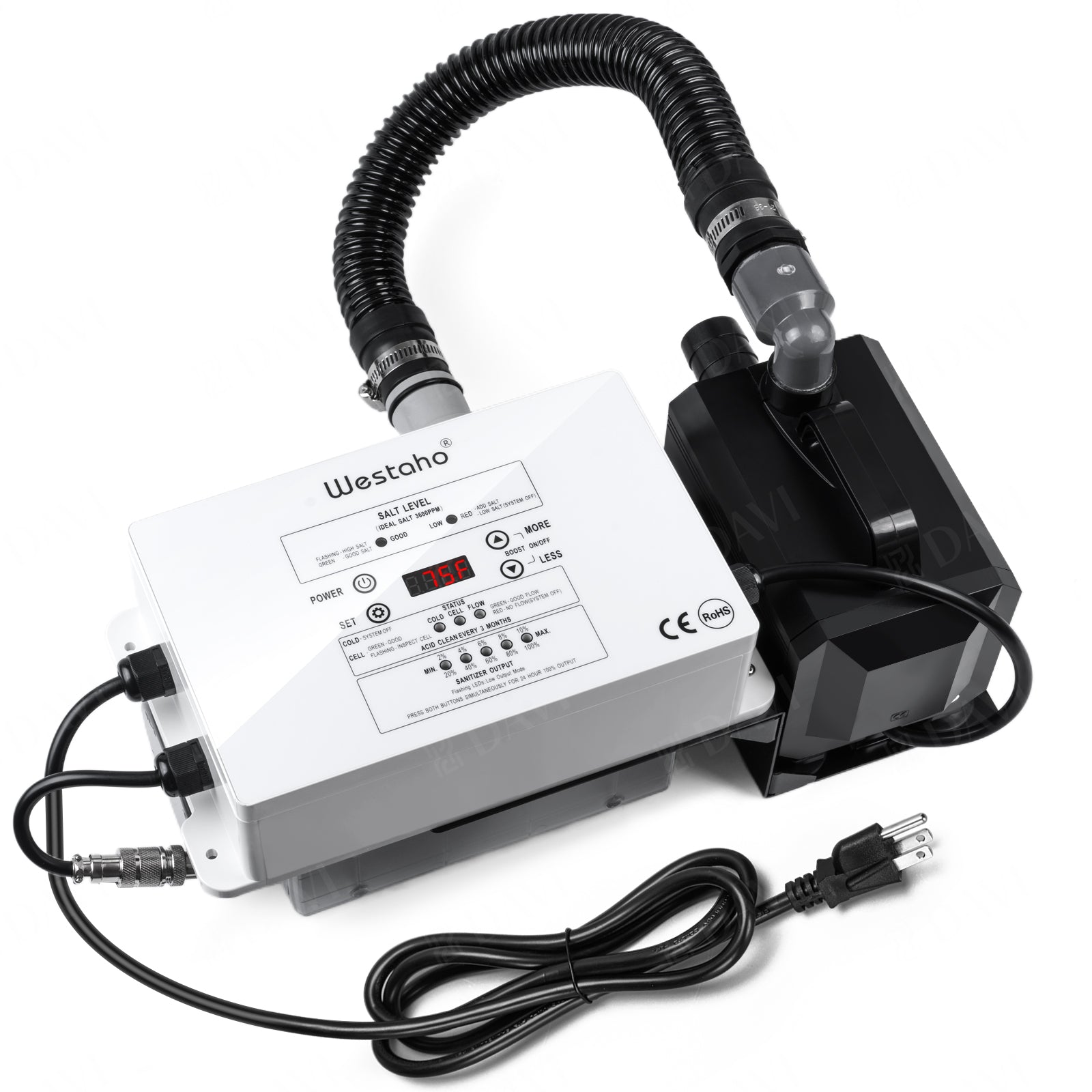
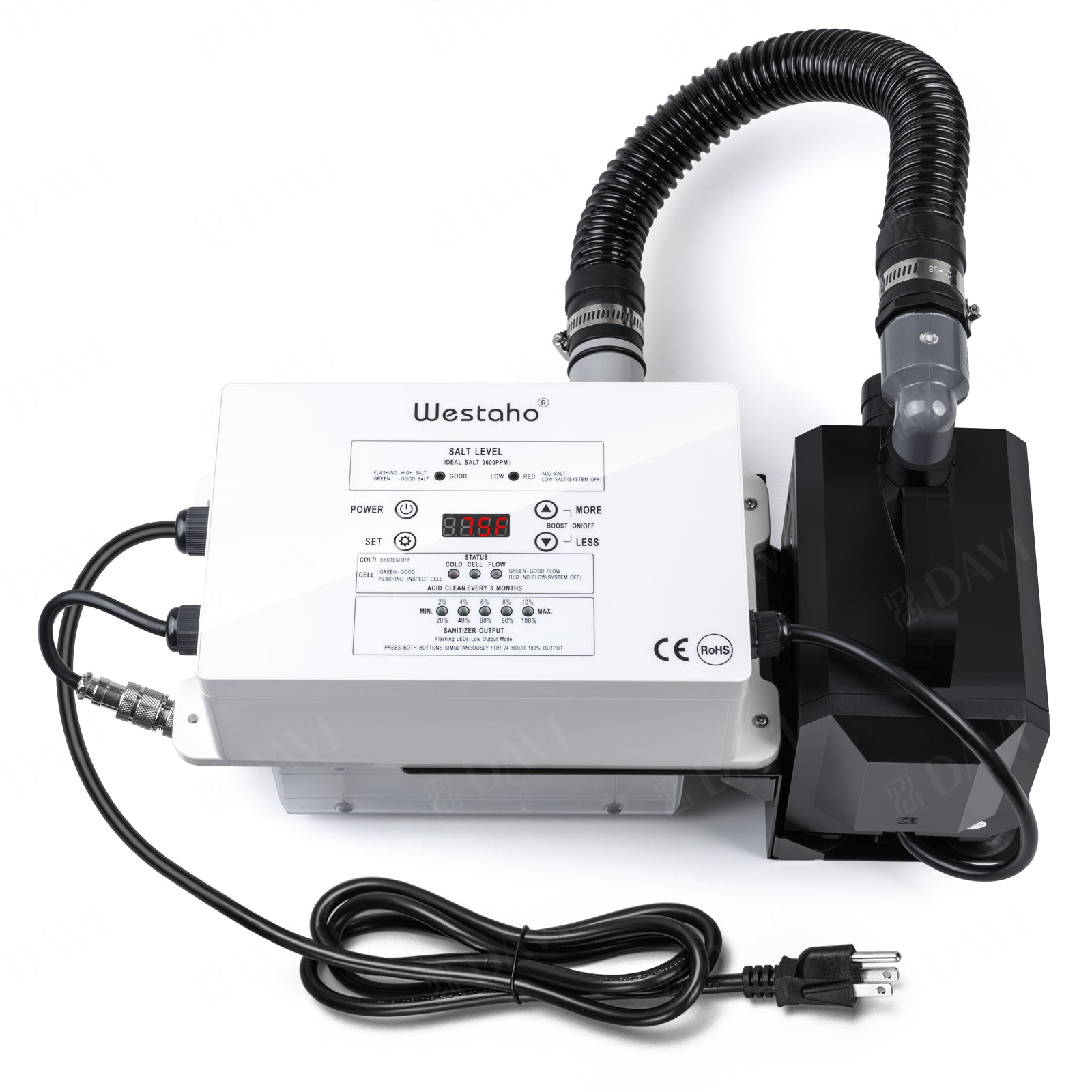
A salt cell is the core component of a salt chlorine generator system. Installed in the pool's return line, it contains a series of titanium plates coated with specialized catalytic materials.
As pool water containing dissolved salt flows through the cell, a low-voltage electrical current passes through the plates. This process, known as electrolysis, converts salt into chlorine, which sanitizes the pool water.
Once the chlorine has completed its sanitizing function, it naturally converts back into salt, allowing the cycle to repeat continuously.
Why the Salt Cell Is So Important
Without a functioning salt cell, a saltwater pool system cannot produce chlorine.
The cell directly affects:
- Water sanitation
- Chlorine production efficiency
- Water clarity
- Pool maintenance requirements
- Overall system performance
Because the salt cell performs this essential task every day, its lifespan plays a major role in the long-term cost of pool ownership.
How Long Does a Salt Cell Typically Last?
Industry Average Lifespan
Most salt chlorine generator manufacturers estimate salt cell lifespan based on operating hours rather than calendar years.
In general:
| Salt Cell Type | Expected Lifespan |
|---|---|
| Standard Salt Cell | 5,000–7,000 Hours |
| Premium Salt Cell | 7,000–10,000 Hours |
| USA Titanium Salt Cell | Up to 10,000 Hours |
For the average residential pool, this typically translates to:
- 3–5 years for entry-level systems
- 5–7 years for premium systems
- Up to 7+ years under ideal conditions
Real-World Lifespan Varies
While manufacturer ratings provide a useful benchmark, actual lifespan depends heavily on how the system is operated and maintained.
Two identical salt cells can experience very different service lives based on factors such as:
- Water chemistry balance
- Salt concentration
- Pump runtime
- Cleaning practices
- Climate conditions
Proper maintenance can add years to the life of a salt cell.
Why USA Titanium Salt Cells Last Longer
Not all salt cells are built the same.
One of the biggest differences between premium and budget systems is the quality of the titanium plates used inside the cell.
Superior Titanium Construction
Titanium is highly resistant to corrosion and chemical degradation, making it ideal for continuous exposure to chlorinated saltwater.
High-quality USA titanium plates offer:
- Excellent corrosion resistance
- Greater structural stability
- Consistent electrical conductivity
- Improved durability over time
Advanced Coating Technology
The performance of a salt cell is influenced not only by the titanium itself but also by the catalytic coating applied to the plates.
Premium cells often use advanced ruthenium and iridium-based coatings that improve chlorine production efficiency while reducing wear.
Benefits include:
- Faster chlorine generation
- Lower energy consumption
- Extended plate life
- More stable performance
Better Manufacturing Standards
Higher-quality manufacturing processes help ensure:
- Consistent plate spacing
- Reliable electrical connections
- Improved quality control
- Reduced risk of premature failure
These factors contribute directly to a longer service life and lower replacement costs.
Factors That Affect Salt Cell Lifespan
Even the best salt cell can experience premature wear if operating conditions are not properly maintained.
Water Chemistry Balance
Balanced water chemistry is essential.
Pool owners should regularly monitor:
- pH levels
- Total alkalinity
- Calcium hardness
- Stabilizer levels
Poor water balance can accelerate scale formation and reduce chlorine production efficiency.
Salt Concentration
Salt levels that are too low force the system to work harder.
Salt levels that are too high can increase stress on electrical components.
Maintaining the manufacturer's recommended salt range helps maximize cell life.
Pump Runtime
The more hours a salt cell operates, the faster its lifespan is consumed.
Running a system 24 hours per day when unnecessary can significantly shorten its service life.
Water Temperature
Extremely high temperatures can increase chlorine demand and operating stress.
Cold temperatures may also affect performance and efficiency.
Excessive Acid Cleaning
Acid cleaning is sometimes necessary to remove calcium scale.
However, excessive cleaning can gradually damage the protective coating on the titanium plates.
Cleaning should only be performed when visual inspection confirms scale buildup.
7 Signs Your Salt Cell May Be Wearing Out
Recognizing the warning signs early can help prevent water quality issues.
1. Reduced Chlorine Production
The most common symptom is an inability to maintain chlorine levels despite proper settings.
2. Frequent Low Salt Warnings
If salt levels test correctly but the system repeatedly reports low salt, the cell may be deteriorating.
3. Cloudy Pool Water
Poor chlorine generation often results in cloudy or dull water.
4. Algae Growth
Recurring algae outbreaks may indicate insufficient sanitizer production.
5. Increased Maintenance Requirements
Needing to add supplemental chlorine frequently can be a sign of declining cell performance.
6. Visible Scale Accumulation
Heavy mineral deposits can reduce efficiency and indicate maintenance issues.
7. Advanced Age
If a salt cell is approaching or exceeding its rated operating hours, replacement may soon be necessary.
How to Extend the Life of Your Salt Cell
Fortunately, several simple practices can help maximize salt cell lifespan.
Maintain Proper Water Balance
Regular testing helps prevent scaling and corrosion.
Inspect the Cell Regularly
Visual inspections allow early detection of buildup or damage.
Clean Only When Necessary
Avoid unnecessary acid washes that can shorten coating life.
Keep Salt Levels Stable
Monitor salt concentration throughout the swimming season.
Optimize Pump Scheduling
Avoid excessive runtime whenever possible.
Winterize Correctly
In colder climates, proper winterization can reduce off-season wear.
By following these maintenance practices, many pool owners can significantly extend the service life of their salt cell.

USA Titanium Cell vs Standard Salt Cell
| Feature | USA Titanium Cell | Standard Salt Cell |
|---|---|---|
| Corrosion Resistance | Excellent | Moderate |
| Plate Quality | Premium | Variable |
| Chlorine Production Stability | High | Moderate |
| Maintenance Requirements | Lower | Higher |
| Expected Lifespan | Up to 10,000 Hours | 5,000–7,000 Hours |
| Long-Term Value | Higher | Lower |
Although premium titanium cells may require a larger upfront investment, their longer lifespan often results in lower total ownership costs over time.
How Westaho's USA Titanium Cell Is Designed for Long Life
At Westaho, durability and reliability are key design priorities.
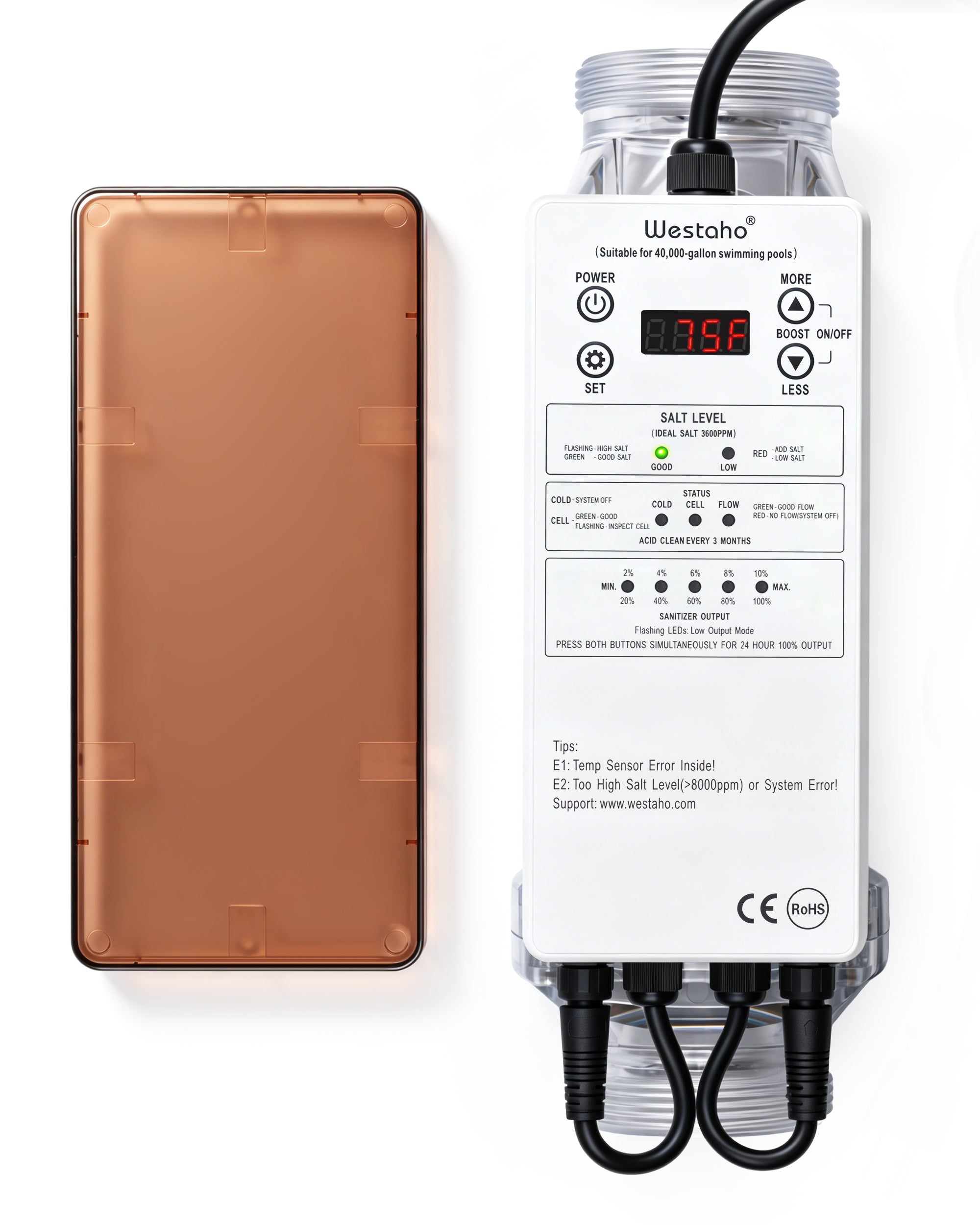
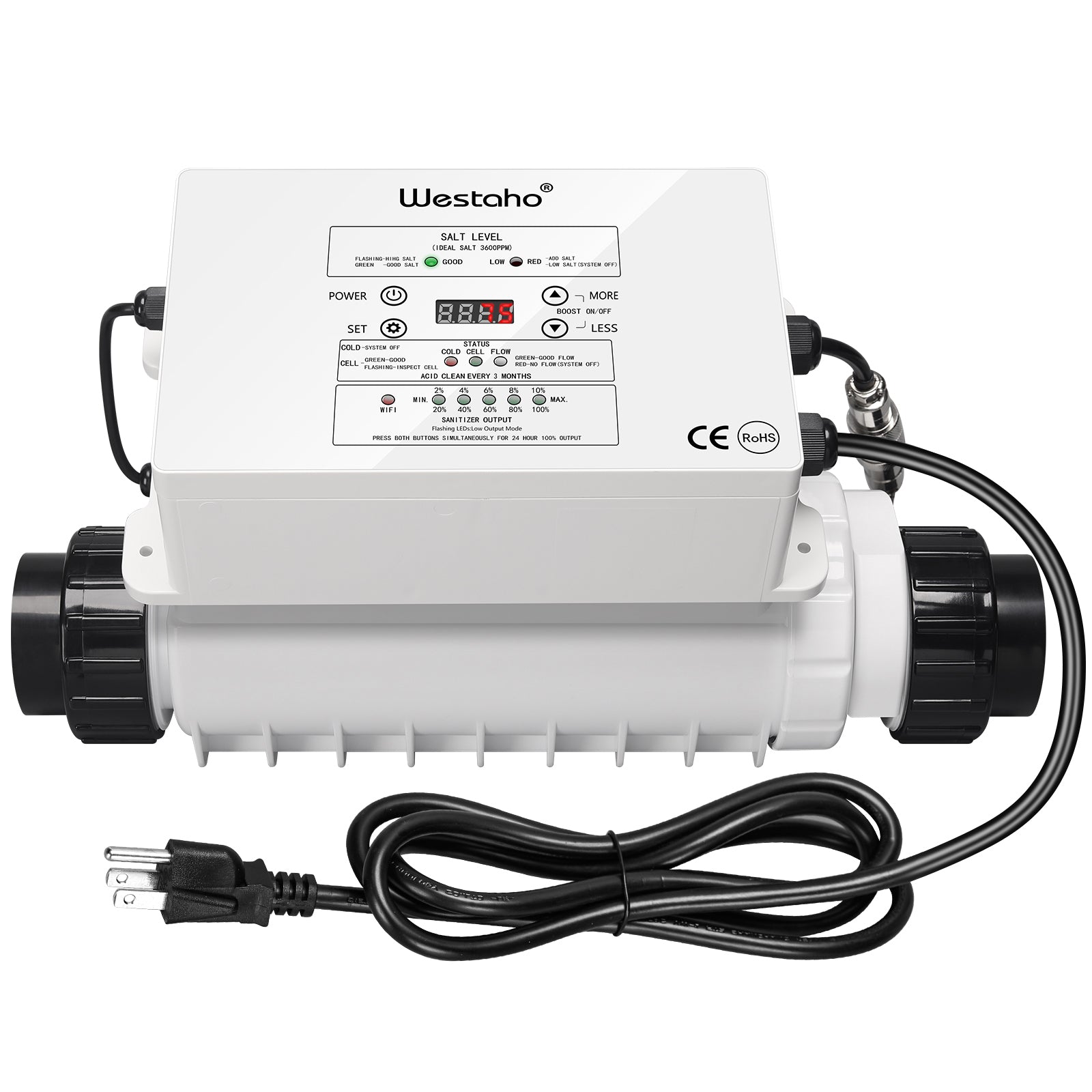
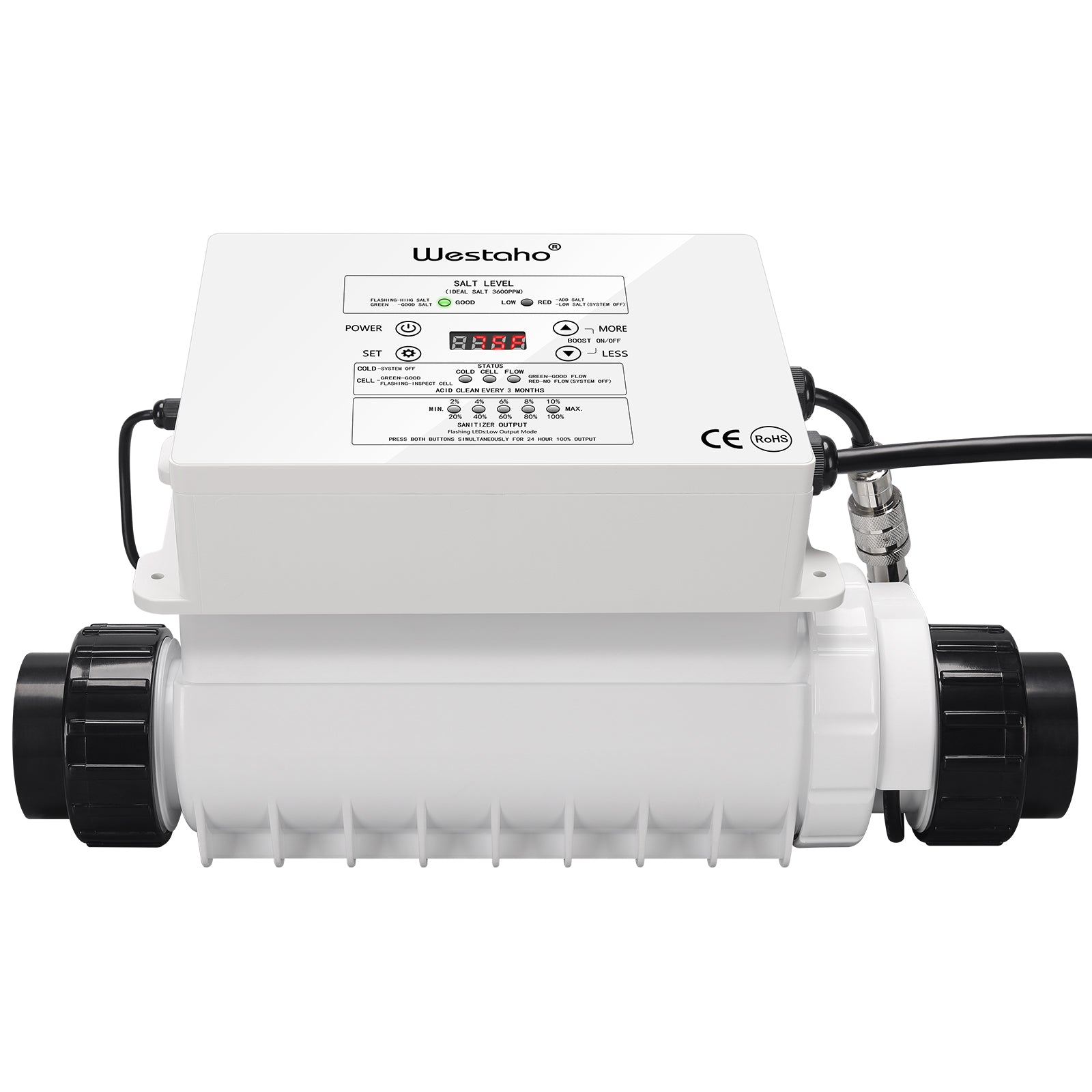
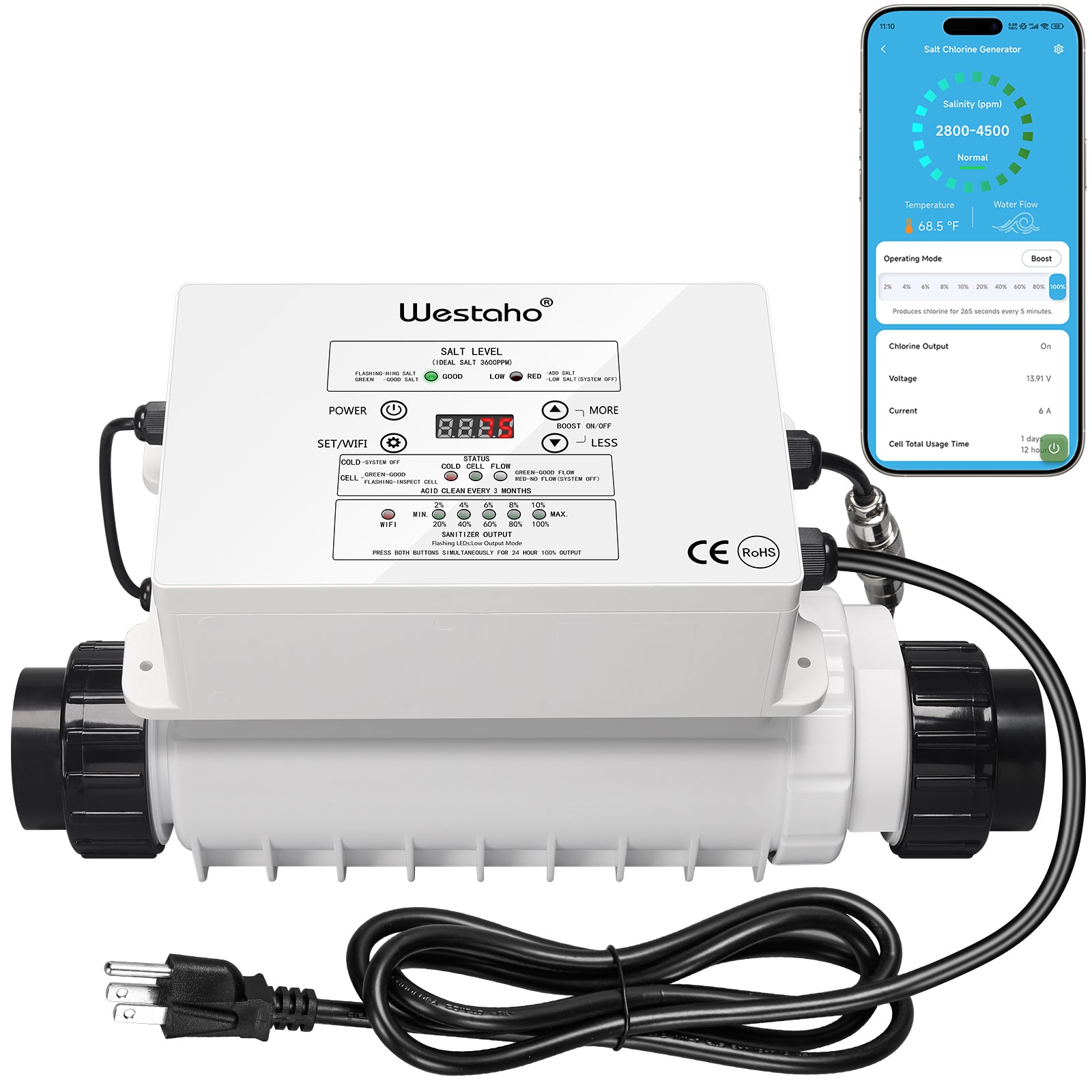
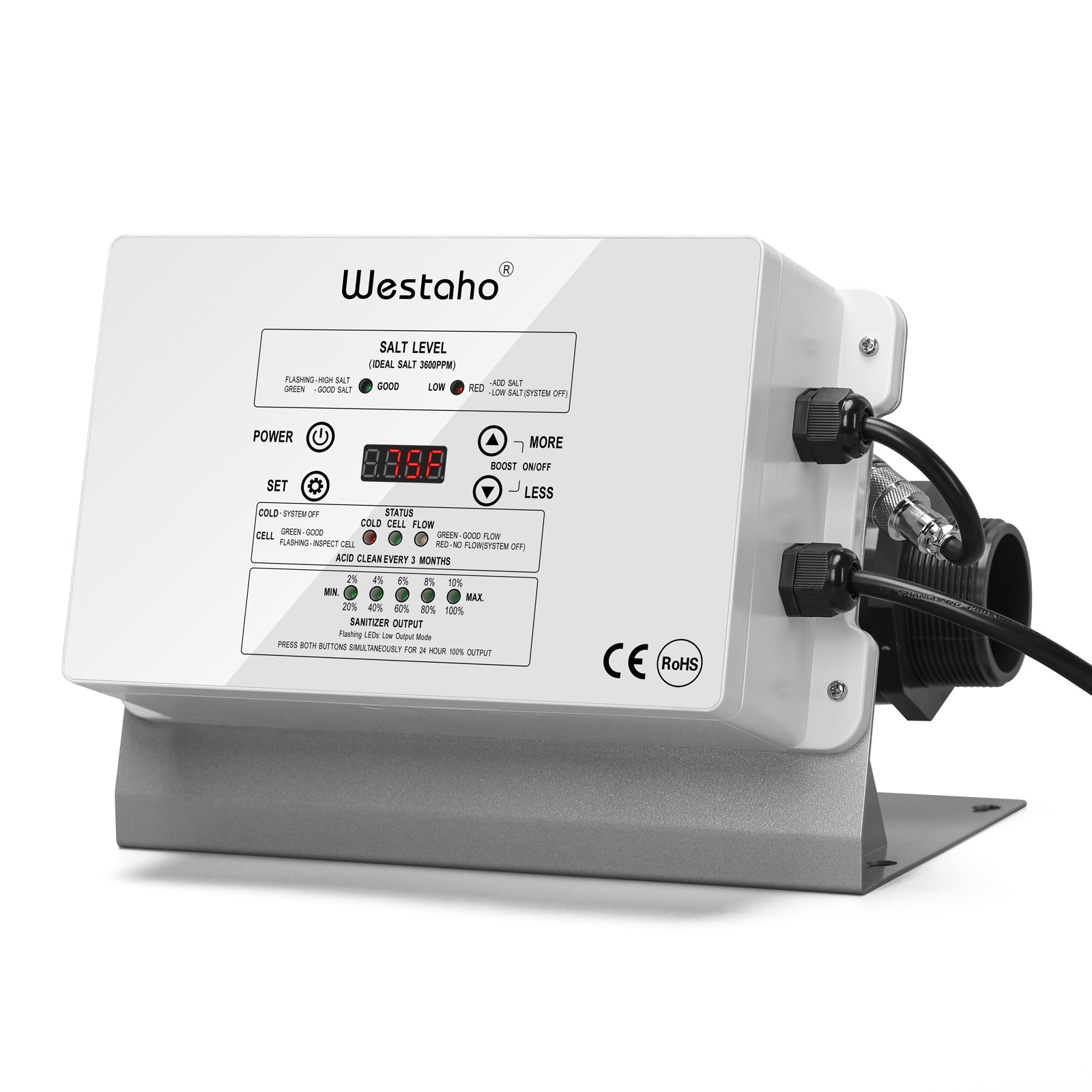
Westaho salt chlorine generators feature:
- Premium USA titanium cell technology
- Up to 10,000-hour lifespan
- Reverse polarity self-cleaning functionality
- Stable chlorine generation performance
- Reduced maintenance requirements
The self-cleaning design helps minimize calcium buildup on the plates, allowing the system to maintain efficiency while reducing the need for manual cleaning.
Combined with proper water chemistry and routine maintenance, these features help pool owners maximize system performance and reduce long-term replacement costs.

Frequently Asked Questions
Can a salt cell really last 10,000 hours?
Yes. Premium titanium salt cells are often rated for up to 10,000 operating hours when properly maintained.
How often should a salt cell be cleaned?
Only when visual inspection reveals scale buildup. Over-cleaning can damage the protective coating.
What causes salt cells to fail early?
Common causes include poor water chemistry, excessive scaling, incorrect salt levels, and unnecessary acid cleaning.
Is replacing a salt cell expensive?
Replacement costs vary by manufacturer and model. Because the salt cell is the most important wear component in a salt chlorination system, choosing a longer-lasting cell can reduce long-term expenses.
Are titanium salt cells worth the investment?
For most pool owners, yes. Titanium cells typically provide greater durability, more stable chlorine production, and lower replacement frequency.
Conclusion
A salt cell is the heart of every salt chlorine generator system, and its lifespan has a direct impact on pool maintenance costs and overall performance.
While many standard salt cells last between three and five years, premium USA titanium salt cells can often provide up to 10,000 hours of operation and more than seven years of reliable service under proper conditions.
By maintaining balanced water chemistry, keeping salt levels within the recommended range, and avoiding excessive cleaning, pool owners can significantly extend the life of their salt cell and enjoy the full benefits of a saltwater pool system.
Investing in a high-quality titanium salt cell today can mean fewer replacements, lower maintenance costs, and cleaner, healthier pool water for years to come.


Leave a comment
This site is protected by hCaptcha and the hCaptcha Privacy Policy and Terms of Service apply.